Leadership Development · 6 November 2026 · 5 min read
Leadership Development Programmes for Managers: How to Choose One
Choose leadership development programmes for managers with clear outcomes, useful practice and workplace support, rather than a persuasive course brochure.
Written by Sarah Murray
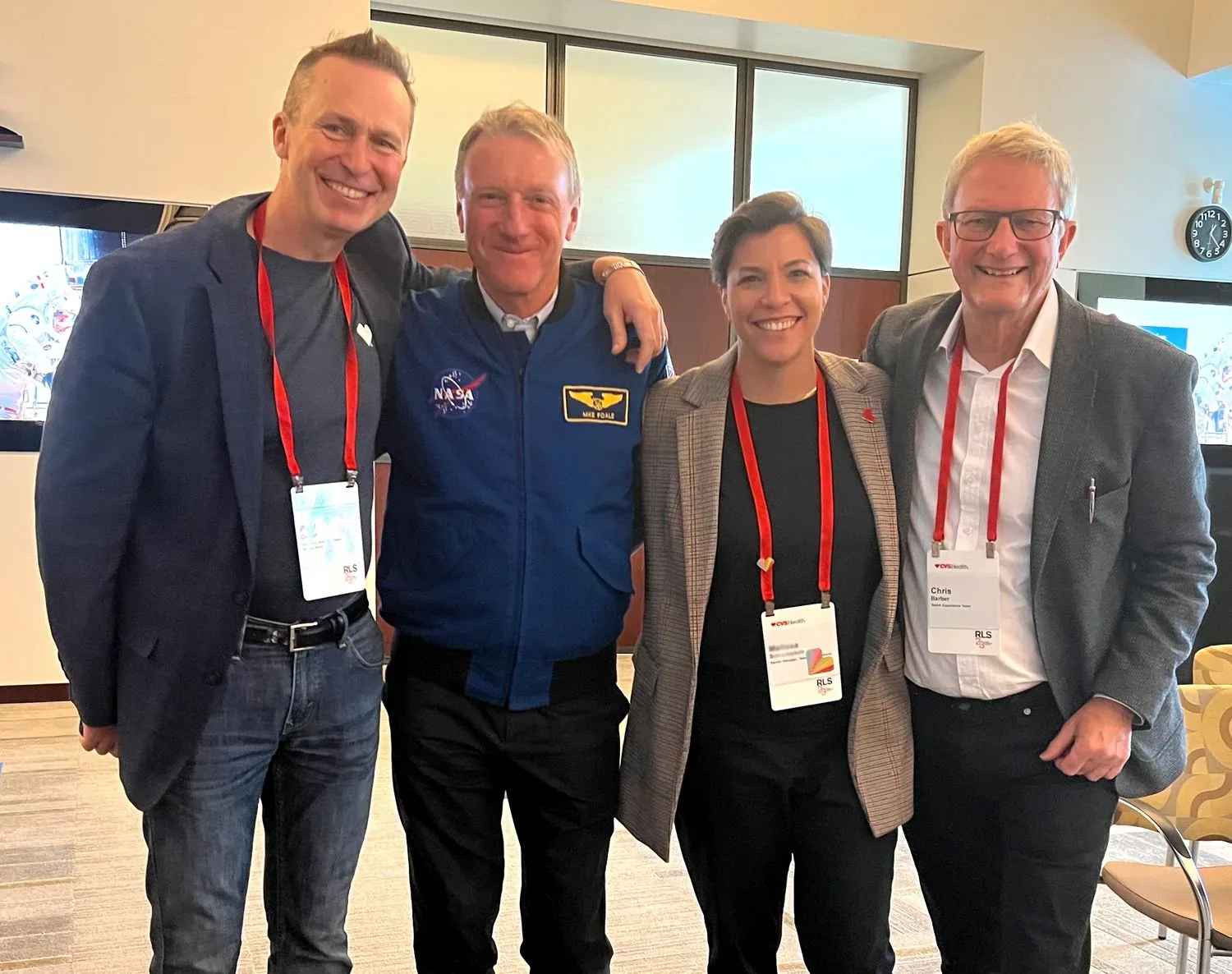
Photograph: Immersive Leaders programme photography — all rights reserved by Immersive Leaders by ISSET
Your managers keep attending courses, yet the same decisions still land on your desk. Choosing another programme feels risky when the last one produced enthusiastic feedback and very little difference in the working week.
The problem is rarely a shortage of leadership content. More often, the programme teaches something sensible without establishing where managers will use it, who will notice, or what might prevent them trying.
Start with the work that needs to change
Write down the situations that are currently costing attention. Perhaps managers delay difficult feedback, escalate routine decisions, or delegate tasks without explaining the boundaries. These are better starting points than a request for stronger leadership presence.
Describe the desired behaviour in language an observer could recognise. A manager agrees decision rights before handing over an assignment. A team member leaves a conversation knowing the expected standard and the next review point. That specificity gives suppliers something useful to design around.
Resist putting every managerial responsibility into the brief. A programme that addresses a tightly connected set of problems can provide meaningful rehearsal. An encyclopaedia with refreshments usually cannot.
Check whether training can solve the problem
Before comparing providers, ask managers what happens when they attempt the behaviour you want. Someone who understands delegation but is punished whenever a colleague makes a mistake has an organisational problem, not simply a learning need.
Look at workloads, approval routes and senior role models. If managers are expected to coach but have no protected time for conversations, adding coaching content will not create that time. The sponsor needs to address the constraint alongside development.
- Identify a recent example of the unwanted behaviour and the conditions surrounding it.
- Ask what knowledge, practice or authority was missing at that moment.
- Separate learning needs from policy, capacity and incentive problems.
This diagnosis need not become a research project. A small set of candid conversations and examples of actual work is more useful than a broad survey that asks whether people would welcome development. Most people can welcome development while being unable to use it.
Buy practice, not a crowded syllabus
Ask prospective providers to show how participants will practise a difficult conversation or decision. Look for a clear task, a realistic obstacle, observation and a chance to try again. Listening to an explanation of feedback is not the same as delivering feedback when the recipient disagrees.
The exercise should reflect the level of responsibility involved. New managers need different choices from experienced heads of function. Mixing them can work, but only when the design accounts for their different authority and experience rather than assuming everyone benefits equally from the same case study.
A useful supplier question is what facilitators do when a participant performs the exercise badly. Look for specific feedback and another attempt, not reassurance that everyone leaves feeling confident. Confidence can follow competence; it should not replace it.
Ask to see the participant instructions as well as the polished agenda. Instructions reveal whether the exercise requires judgement or merely rewards people for repeating the model they have just been shown.
Treat delivery format as an operational decision
Residential, virtual and blended programmes each create different conditions for participation. Choose according to the work, the workforce and the opportunities to practise between sessions, rather than assuming the most elaborate format is automatically the most effective.
A dispersed management group may benefit from shorter virtual sessions linked to workplace assignments. A team that habitually avoids disagreement may need sustained time together with a facilitator who can observe its interactions. Either format can fail if participants are repeatedly pulled into operational meetings.
Check accessibility before booking. Ask about adjustments, travel expectations, caring responsibilities, language and the physical demands of activities. Offering an alternative after someone has disclosed a difficulty in front of colleagues is not thoughtful design.
Make the workplace part of the programme
The participant's manager should know what the programme is trying to change. Otherwise, returning participants can be greeted by familiar priorities and no invitation to work differently. Good intentions are remarkably easy to bury beneath an inbox.
Agree a real assignment before learning begins. It might involve delegating a live project, resetting a recurring meeting or addressing an unresolved performance issue. The assignment needs enough importance to matter without using an employee's sensitive situation as classroom entertainment.
- Name the behaviour the participant will practise at work.
- Agree who can provide direct, appropriate feedback on it.
- Schedule a review of what happened and what needs adjusting.
Ask the provider how these workplace attempts feed into later sessions. A learning sequence should make room for unsuccessful experiments, not quietly assume that attending a workshop has resolved the issue.
Choose evidence you can actually inspect
Before committing, agree how you will distinguish attendance, learning and application. These are different things. Completion records establish participation; observed practice indicates capability; workplace examples show whether behaviour is transferring.
Use relevant evidence rather than collecting everything available. If the aim is better delegation, examine briefing quality, clarity of authority and the frequency of unnecessary handbacks. Discuss what else might affect those observations, including workload or changes in team composition.
The final choice should be explainable without reference to an impressive venue or a famous name. You should be able to say which managerial problem the programme addresses, how people will practise, what support they will receive and what evidence would justify continuing. That is a purchasing decision with a spine.
Bring this to your team
We run NASA-style simulations, astronaut keynotes and leadership expeditions for organisations that need their leaders to make good calls under pressure.
Book a Call