Team Performance · 16 April 2026 · 5 min read
An After-Action Review Guide Your Team Will Not Skip
A practical after-action review guide for busy teams: reconstruct events fairly, find useful lessons and turn one clear improvement into everyday practice.
Written by Christopher Barber

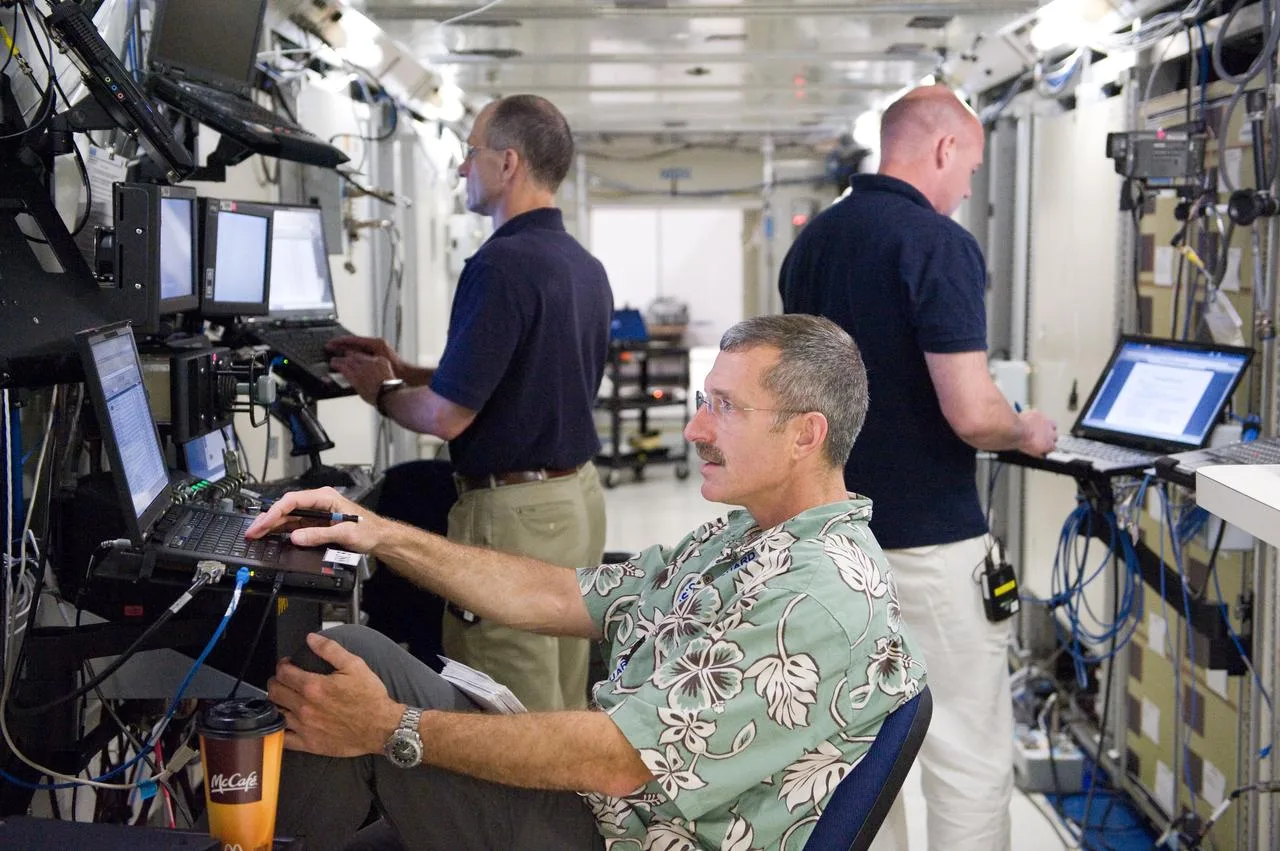
Photograph: Artemis II lunar science team members watch launch -- jsc2026e019544 — NASA, public domain
The project is finished, the incident is contained or the event has closed. Everyone is busy catching up, so the review is postponed. When it eventually happens, memories differ and the conversation produces familiar lessons about communication. Nothing specific changes before the next piece of work begins.
An after-action review should help a team understand how its work unfolded and what to carry forward. It is not a presentation defending the result, nor a substitute for a formal investigation where one is required. Keep the purpose narrow enough that people can contribute evidence and leave with a usable improvement.
Set the review up before memories fade
Schedule the discussion while participants can still recall the decisions and conditions involved. Allow enough time to prepare relevant records, especially after a demanding event. Prompt does not have to mean immediate. If people are exhausted or urgent recovery work continues, choose a sensible point and preserve the evidence meanwhile.
Invite those who did the work and those whose handovers shaped it. Senior stakeholders may be useful, but a crowded room can make detailed examination harder. Explain why each group is involved and how findings will be shared with people who are not present.
State the boundaries. If the event involves potential misconduct, safeguarding, litigation or regulated reporting, follow the appropriate procedures and obtain specialist guidance. Do not promise confidentiality or immunity that you cannot provide. A learning review should not interfere with a required investigation or be presented as one.
Start with the intended outcome
Ask what the team expected to happen. Use the original plan, brief or agreed objectives where available. This avoids judging the work only against expectations developed after the outcome became clear. If the initial purpose was ambiguous, record that as part of the explanation rather than quietly improving it for the review.
Clarify the conditions the plan assumed: staffing, timing, access, demand and dependencies. People may have followed different versions of the plan or understood a commitment differently. Make those differences visible before discussing whether an individual or team performed well.
Include what success looked like, not just what went wrong. A review needs to identify arrangements worth retaining as well as weaknesses. Otherwise, a change introduced to fix one problem may accidentally remove a useful safeguard that nobody took the time to recognise.
Reconstruct what actually happened
Build a short timeline around important decisions, handovers and changes in conditions. Use records where they help, while acknowledging gaps and conflicting accounts. The goal is an adequate shared picture, not a minute-by-minute history of everything that occurred. Focus detail where it affects the explanation.
Ask what each person knew at the time. Information that became obvious later may not have been available when a choice was made. Distinguish a reasonable response to uncertainty from a departure from an agreed standard. Outcome alone does not tell you which process was used.
Describe behaviour rather than labelling people. Saying an escalation reached the duty lead after the agreed checkpoint gives the group something to examine. Saying someone lacked ownership introduces a judgement without explaining the action, information or responsibility that should have been different.
Explain the gaps without stopping at blame
Compare intended and actual work. Ask what made the difference: unclear authority, competing priorities, missing information, an unusable procedure or an individual choice. Several factors may interact. Avoid selecting the most comfortable explanation before the team has looked at evidence that could challenge it.
Explore successful adaptations as carefully as errors. If a colleague prevented a problem, ask what they noticed and how they were able to act. Then consider whether that protection can be made dependable without relying on exceptional availability or knowledge held by only one person.
- What did we expect, and what actually happened?
- What information and constraints shaped the important choices?
- What helped us achieve the result or recover from difficulty?
- What should we retain, change or test next time?
Keep the conversation within the team's ability to contribute. A broad debate about organisational culture may identify a real concern, but it needs a route into a specific decision or escalation. Do not let an important systemic issue become either an excuse for inaction or an unsupported claim about everyone else.
Choose changes small enough to implement
Select a manageable number of improvements. Prioritise those connected to evidence from the review and likely to affect the work. A long action list can spread attention thinly and allow the most consequential issue to disappear among minor administrative tasks. State why each selected change matters.
Write each action so that completion can be observed. Update the handover process is less useful than specifying the missing information, where it will appear and who will check it. Name an owner with the authority and capacity to deliver the change, and agree a review date.
Distinguish implementation from effectiveness. Publishing a revised template establishes that a document exists. Inspecting its use during a real handover helps show whether it addresses the original problem. Decide at the review how the team will test the improvement rather than assuming completion means success.
Close the loop at the next opportunity
Share a concise record of the key explanation, practices to retain and agreed actions. Avoid a transcript of personal contributions unless there is a clear requirement. At the next relevant meeting, revisit one action and ask what changed in practice. If it did not work, revise it rather than quietly closing the item.
For your next review, bring the original intention, a short timeline and one example of a difficult handover or decision. End with a single change the team can test in real work. A review earns its place in the diary when its next lesson is visible in what people do.
Bring this to your team
We run NASA-style simulations, astronaut keynotes and leadership expeditions for organisations that need their leaders to make good calls under pressure.
Book a Call