Team Performance · 19 October 2026 · 6 min read
Recognising Stress in a Team Before It Shows in the Work
Improve stress recognition in teams by noticing changes in behaviour, asking useful questions and addressing workload without making personal assumptions.
Written by Sarah Murray
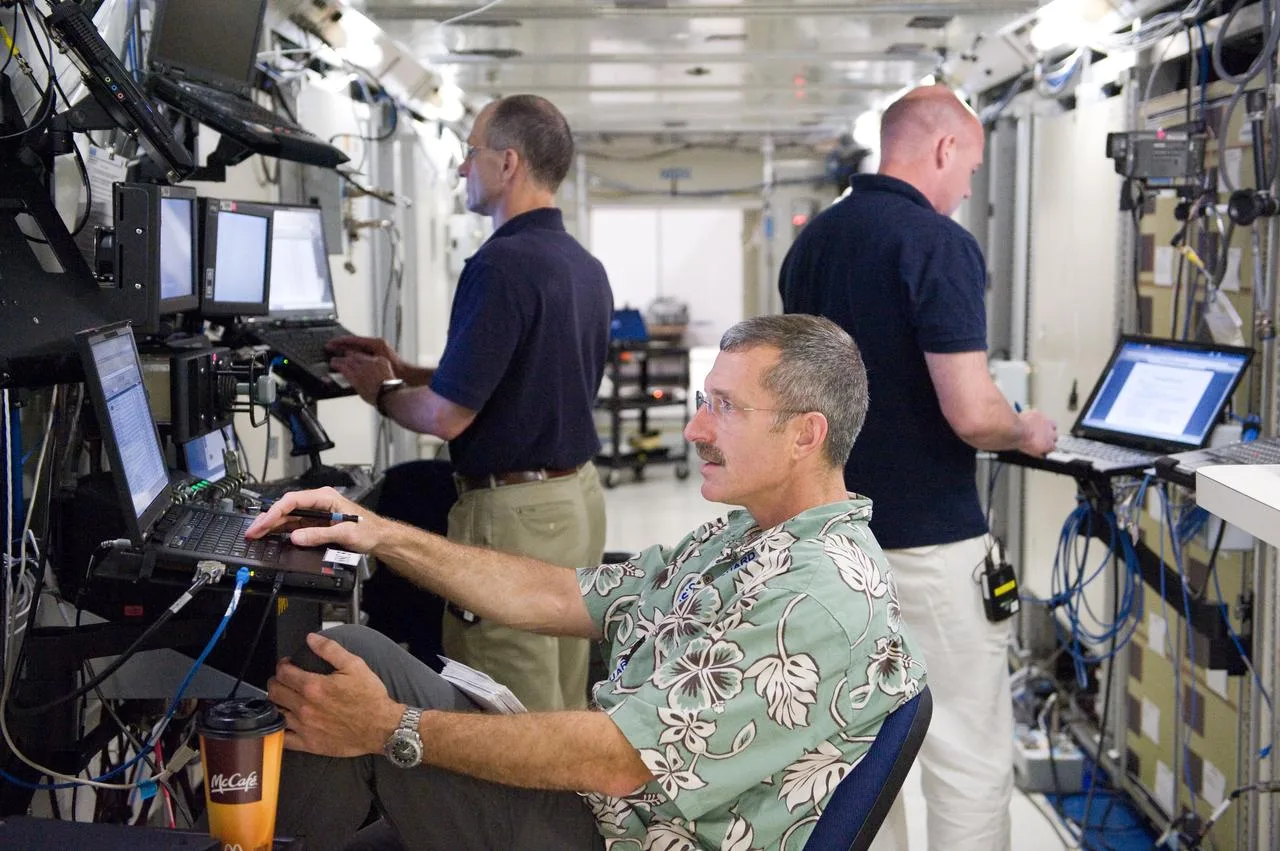
Photograph: Expedition 29/30 crew training during Electrical Power System Major Case training — NASA, public domain
The work still looks acceptable, but your team has become quieter, sharper with each other or strangely reluctant to make ordinary decisions. Waiting for an obvious mistake makes recognition late and expensive. Your job is not to diagnose anyone; it is to notice changes, ask carefully and remove avoidable pressure from the work.
Notice changes rather than personality types
A quiet colleague is not automatically struggling, and an outgoing colleague is not necessarily coping. Look for changes from someone's usual pattern and for shifts across the team. Repeatedly reopening settled decisions, withdrawing from useful discussion or working around ordinary processes may warrant a conversation. None of these observations proves a particular cause.
Context matters. New responsibilities, disrupted systems and pressure outside work can all affect behaviour, and a manager may know very little about the combination involved. Keep observations specific and provisional. Saying that a handover has become harder to follow creates a clearer opening than announcing that someone looks stressed. It also leaves room for the person to disagree without having to defend their character or disclose private information.
Ask about the work before asking for disclosure
Arrange a private conversation and describe what you have noticed without presenting a verdict. Ask how the workload is operating, where demands conflict and what is becoming difficult to sustain. Allow time for an answer. A rushed enquiry between meetings can signal that reassurance is the only convenient response, whatever the manager intended.
Do not require an account of someone's health or personal life before considering a reasonable change to work. Explain the limits of confidentiality, particularly where safety or organisational duties may require other support. If someone describes serious distress, use the appropriate workplace and professional support routes rather than improvising as a counsellor. A supportive manager remains a manager, not a substitute clinician.
- Which demands are competing for your attention at the moment?
- What has become harder to complete within your working arrangements?
- What could we stop, defer or clarify to make the work manageable?
Look for pressure created by the system
An individual conversation may reveal a shared problem. Everyone is responding to the same unclear deadline, or several departments believe their work has priority. Examine incoming demand, unresolved dependencies and the amount of work being carried simultaneously. A team can look busy and committed while spending much of its energy negotiating contradictions that leadership should resolve.
Pay attention to how work arrives outside agreed channels. Repeated urgent messages and informal requests can defeat an otherwise sensible allocation process. Ask who can authorise new work and what must move when a priority changes. If nothing ever moves, the organisation is not prioritising; it is accumulating promises. Treat that as a management issue rather than offering resilience advice to the people expected to absorb it.
Watch the meeting, not just the dashboard
Changes in interaction can appear before formal performance measures move. Listen for interruptions, defensive explanations and agreement that arrives suspiciously quickly. Notice whether people stop asking for help or begin referring every small choice upwards. These are prompts to investigate, not a scoring system for identifying supposedly fragile colleagues.
Review your own behaviour as part of the picture. If raising a capacity concern reliably produces a lecture about commitment, silence is an understandable adaptation. Invite disagreement about the plan and respond by examining the actual trade-off. Thanking someone for speaking up matters less than changing an unrealistic demand. Equally, avoid turning every tense meeting into a wellbeing intervention. Sometimes the immediate need is simply a clear decision and permission to stop debating it.
Turn concern into a visible adjustment
Agree a practical change with the person or team and specify who will implement it. That might involve narrowing an assignment, resolving a dependency, adjusting working arrangements or obtaining specialist advice. Do not quietly redistribute work without checking the effect on colleagues. Moving pressure sideways can disguise the problem while making trust worse.
Set a suitable point to review whether the adjustment helped. Keep any record factual, proportionate and handled through the right organisational process. There is no need for an informal dossier of interpretations about people's moods. Record the work issue and the agreed response instead.
- Clarify the task or responsibility that is causing uncertainty.
- Agree what will change and who has authority to make it happen.
- Check whether the adjustment creates pressure elsewhere in the team.
Keep recognition separate from surveillance
A healthy approach makes it easier for people to discuss capacity without being monitored for signs of weakness. Avoid public wellbeing ratings that pressure colleagues into disclosure or invite managers to interpret every fluctuation. Ask the team which working arrangements make it easier to flag a problem early and which responses discourage that conversation.
Consistency is more valuable than occasional concern after a difficult week. Review priorities, make escalation routes usable and challenge workloads that depend on sustained overextension. Some causes will sit beyond your authority, and acknowledging that limit is better than promising a solution you cannot deliver. You can still explain what you have escalated and what happens next. Stress recognition becomes useful when it changes how work is managed, not merely how sympathetically pressure is described.
Bring this to your team
We run NASA-style simulations, astronaut keynotes and leadership expeditions for organisations that need their leaders to make good calls under pressure.
Book a Call