Team Performance · 28 May 2026 · 5 min read
Building Team Resilience Without Asking People to Cope
Build team resilience by fixing workload, dependencies and recovery routines, rather than asking people to absorb more pressure with a better attitude.
Written by Christopher Barber

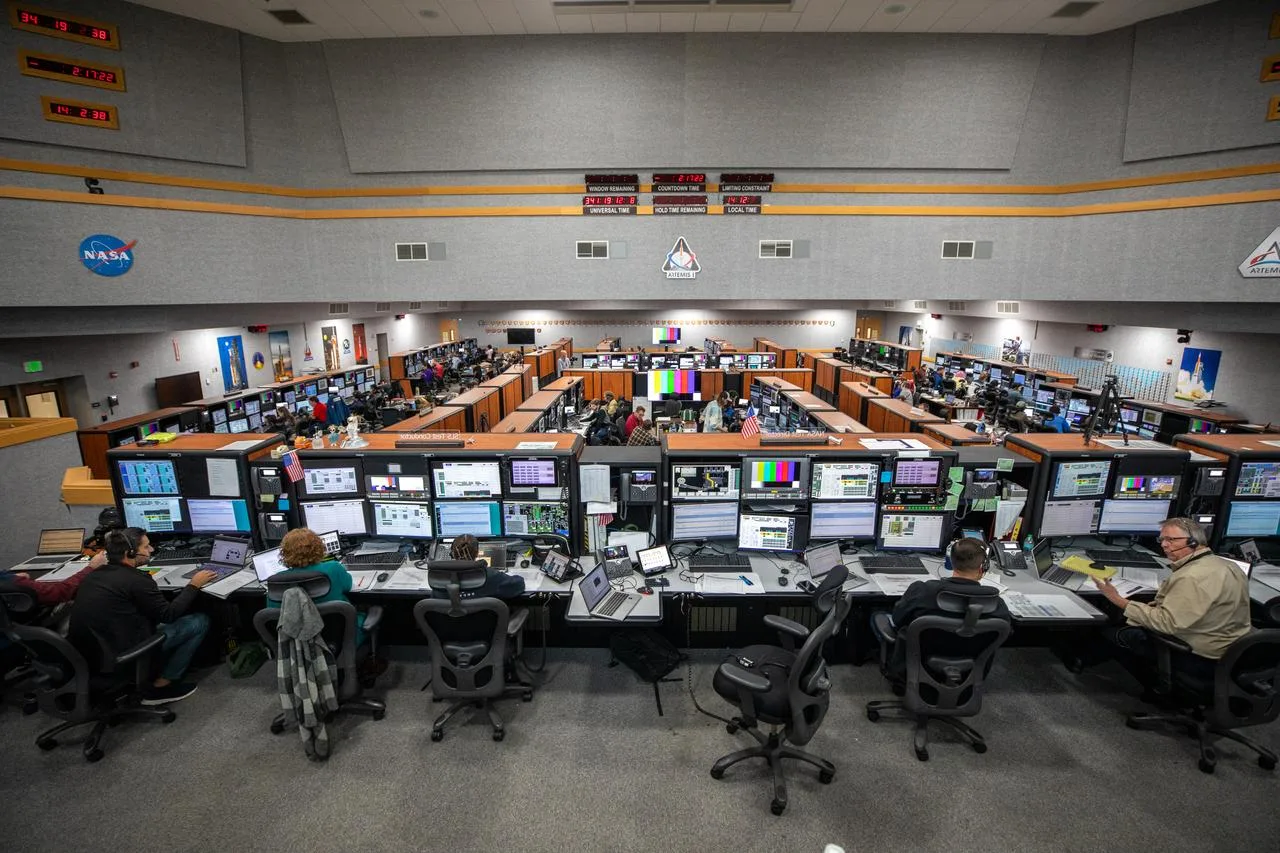
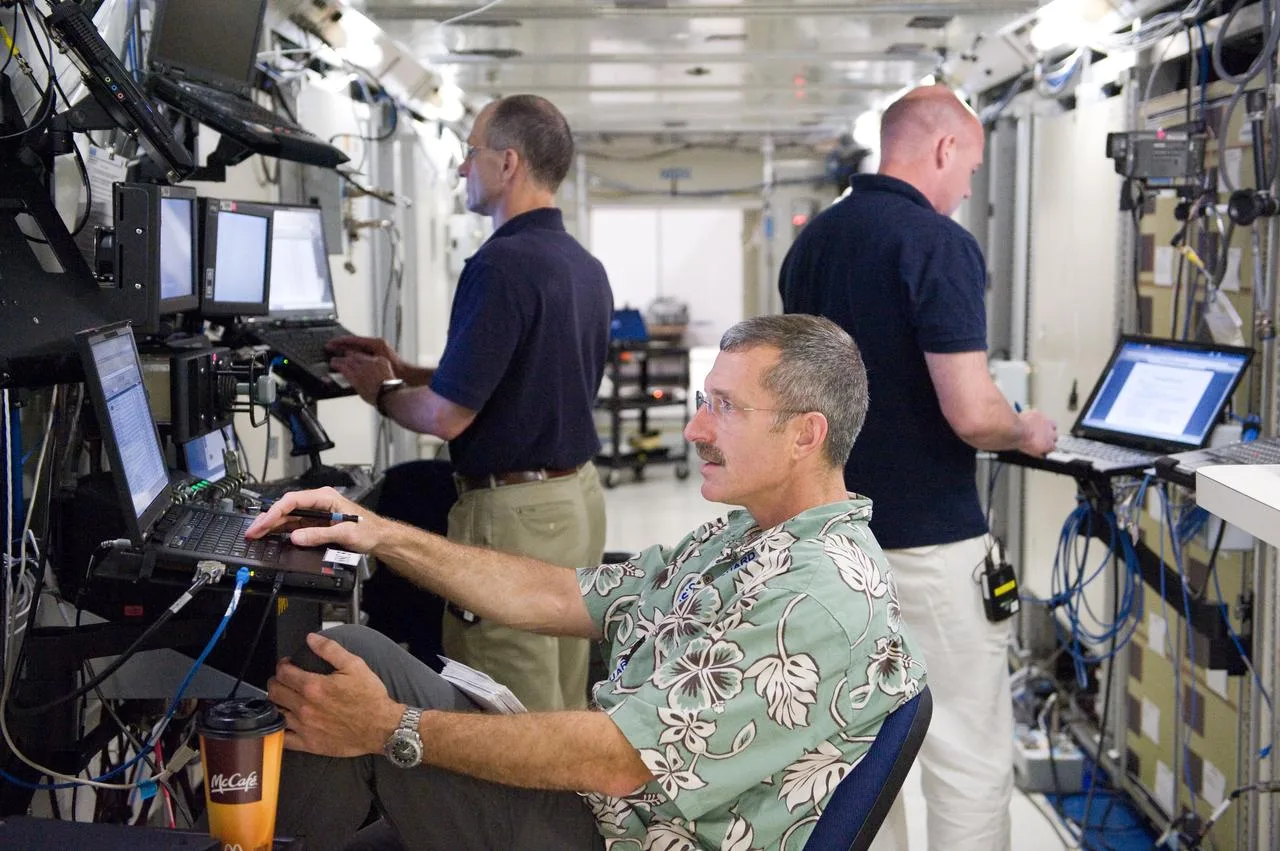
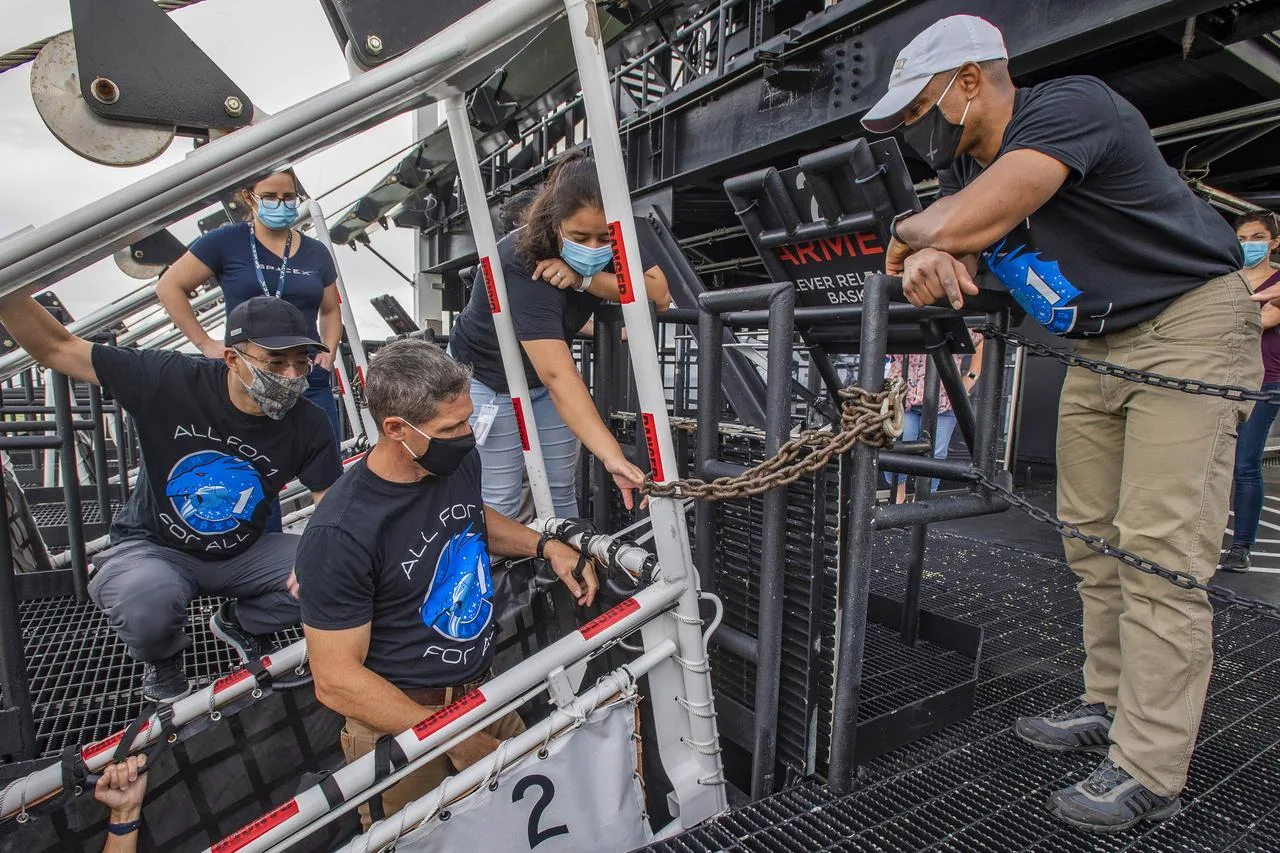
Photograph: Immersive Leaders programme photography — all rights reserved by Immersive Leaders by ISSET
When a team keeps delivering through disruption, it is tempting to describe it as resilient. Look more closely before celebrating. Delivery may depend on cancelled breaks, private overtime and one experienced colleague repeatedly repairing problems. Those arrangements can conceal fragility rather than demonstrate a dependable ability to recover.
Building team resilience means improving how the group anticipates pressure, adapts its work and recovers after difficulty. Individual coping skills can have a place, but they are not a substitute for manageable demands, clear priorities and access to support. Start with the work people are being asked to sustain.
Find the hidden recovery work
Ask what happens when the normal process breaks. Who finds missing information, negotiates a late handover or covers an absent colleague? These contributions may not appear in workload plans. A task recorded as completed on time can still have consumed unplanned effort that the team cannot keep supplying.
Discuss patterns rather than asking people to prove that they are struggling. Review repeated deadline changes, unresolved exceptions and work that regularly spills beyond agreed hours. Interpret these signals with the team; none provides a complete diagnosis on its own. The purpose is to identify pressure points that deserve a practical response.
Be careful not to turn honesty into an additional burden. If people raise workload concerns, explain what can change and what needs escalation. An invitation to speak is not enough when every concern returns to the same individual as a new action to manage their time better.
Make priorities include what will stop
A list of important tasks is not a priority system if everything remains equally urgent. Agree what must continue during disruption, what can be reduced and what can pause. Identify the person authorised to make those trade-offs so that employees are not left negotiating incompatible demands alone.
Check the consequences before stopping work. Some activities may look optional while providing a safeguard or supporting another team's commitment. Involve the relevant people and respect legal, safety and contractual requirements. The aim is deliberate adjustment, not a hurried removal of controls that later proves costly.
Communicate changed expectations to stakeholders. A team cannot gain meaningful capacity if work is paused internally while external promises remain untouched. Leaders should take responsibility for explaining the trade-off, including what will happen later and when the position will be reviewed.
Reduce dependence on individual rescue
Identify tasks that only one person can perform or explain. Consider suitable documentation, cross-training and authorised cover. Focus on the knowledge required to keep important work moving safely, not on trying to make everyone interchangeable. Some tasks require specialist competence that cannot be created through a quick handover.
Test cover arrangements during ordinary work where appropriate. Ask the alternate to use the available instructions and note what is missing. Update the process before it is needed under pressure. A named deputy without access, context or authority is not yet a workable backup.
Recognise helpful interventions without making heroics the expected standard. When someone rescues a deadline, ask what made the rescue necessary and how recurrence could be reduced. Appreciation and process improvement can happen together. Otherwise, the organisation may unintentionally reward the conditions that keep generating emergencies.
Build coordination into changing conditions
When pressure rises, shorten the route from new information to a shared decision. A brief check-in can establish current priorities, constraints and support needs. It should replace confusion, not add another reporting demand. Adjust the frequency to the situation and reduce it when the need has passed.
Make it acceptable to flag that an agreed plan is no longer workable. Specify what information to bring and who can decide on a change. People should not have to wait until a deadline is missed to demonstrate that capacity or a dependency has materially changed.
- What has changed since we agreed the plan?
- Which commitment is now at risk, and why?
- What can be moved, reduced or reassigned?
- Who needs to know about the revised expectation?
Keep support practical. A colleague may need help resolving a dependency, access to equipment or relief from a competing task rather than encouragement. Ask what would make the work manageable and distinguish what the manager can authorise from what requires a wider organisational decision.
Make recovery an operational responsibility
After an intense period, review unfinished work, deferred leave and the effort needed to restore normal arrangements. Do not assume that pressure disappears when the immediate incident ends. The team may still be carrying a backlog, disrupted routines or repeated questions from stakeholders.
Plan recovery alongside delivery rather than treating it as a reward for finishing everything. Agree cover and revisit commitments where necessary. Where someone needs health or wellbeing support, use appropriate professional and organisational routes. Managers should not diagnose colleagues or turn a team review into compulsory personal disclosure.
Examine what the disruption revealed. Which buffers helped? Which approvals slowed a sensible response? Which informal arrangements proved unreliable? Select a manageable change and check whether it reduces dependence on extra effort. A debrief that only praises determination leaves the underlying conditions untouched.
Test resilience through a normal working week
Choose one recurring pressure point and agree a change that should make it less demanding. It might be earlier notice of changing work, a clearer stop decision or tested cover for a critical task. Review it with the people doing the work, including those who receive its outputs.
The useful question is whether the team can handle variation without repeatedly borrowing from people's time and health. At your next planning meeting, identify one commitment that needs a genuine contingency and one piece of recovery work that deserves scheduled capacity. Put both into the plan before accepting another priority.
Bring this to your team
We run NASA-style simulations, astronaut keynotes and leadership expeditions for organisations that need their leaders to make good calls under pressure.
Book a Call