Offsites & Simulations · 21 May 2026 · 5 min read
Corporate Retreat Alternatives When the Venue Has Been Done to Death
Consider corporate retreat alternatives outdoors that improve coordination and reflection, with practical checks on inclusion, purpose and delivery.
Written by Christopher Barber
Photograph: Immersive Leaders programme photography — all rights reserved by Immersive Leaders by ISSET
Your team has done the hotel meeting room, the dinner and the closing promise to collaborate better. Changing the venue again may create interest, but it will not fix an agenda with no clear purpose. Look for an alternative that changes how the team works together, not simply what appears behind it in photographs.
Choose the working problem before the destination
Ask what the previous retreat failed to change. Perhaps difficult decisions were postponed, quieter expertise remained unheard or commitments disappeared into everyday workload. Each problem suggests a different design. A more remote destination does not automatically make any of them easier to solve.
Define the outcome in practical terms. The team might need an agreed escalation process, a decision on competing priorities or better understanding of dependencies across functions. Use that outcome to compare alternatives, including the option of staying close to work with a better facilitator and a more disciplined agenda.
A worthwhile alternative also needs a credible reason for taking people away. Consider travel, caring responsibilities, access requirements and disruption to delivery. The proposal should explain what being together makes possible and why that benefit cannot be achieved as well through a less demanding format.
Use a local outdoor base for purposeful work
A nearby outdoor setting can offer a different pace without making travel the main event. Combine a practical task with sheltered discussion space and reliable facilities. Proximity can make it easier for participants to attend without an overnight stay, although access still needs checking rather than assuming.
Choose a task with genuine interdependence. Planning a route, coordinating resources or solving a shared operational challenge can provide evidence about how the team organises itself. Avoid activities completed largely in parallel if the stated objective is collaboration. Shared location and shared work are not the same thing.
- Check the route from arrival point to activity and discussion spaces.
- Confirm accessible facilities and a workable weather alternative.
- Protect time to examine the decisions made during the task.
Do not overfill the programme because travel is shorter. The point of a local format is to create useful conditions with less friction, not to squeeze an additional meeting into every recovered moment.
Consider a mission simulation when coordination is the issue
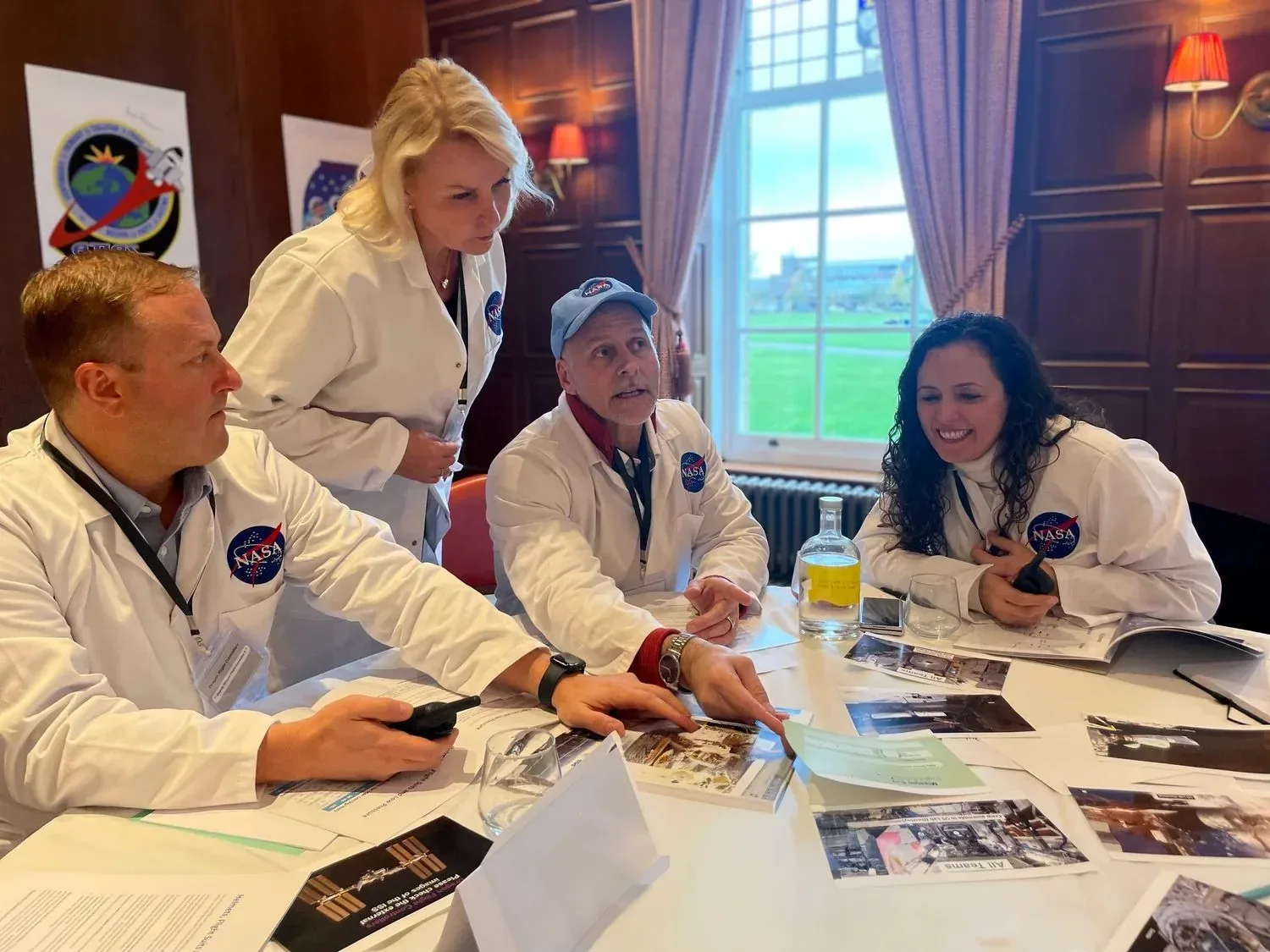
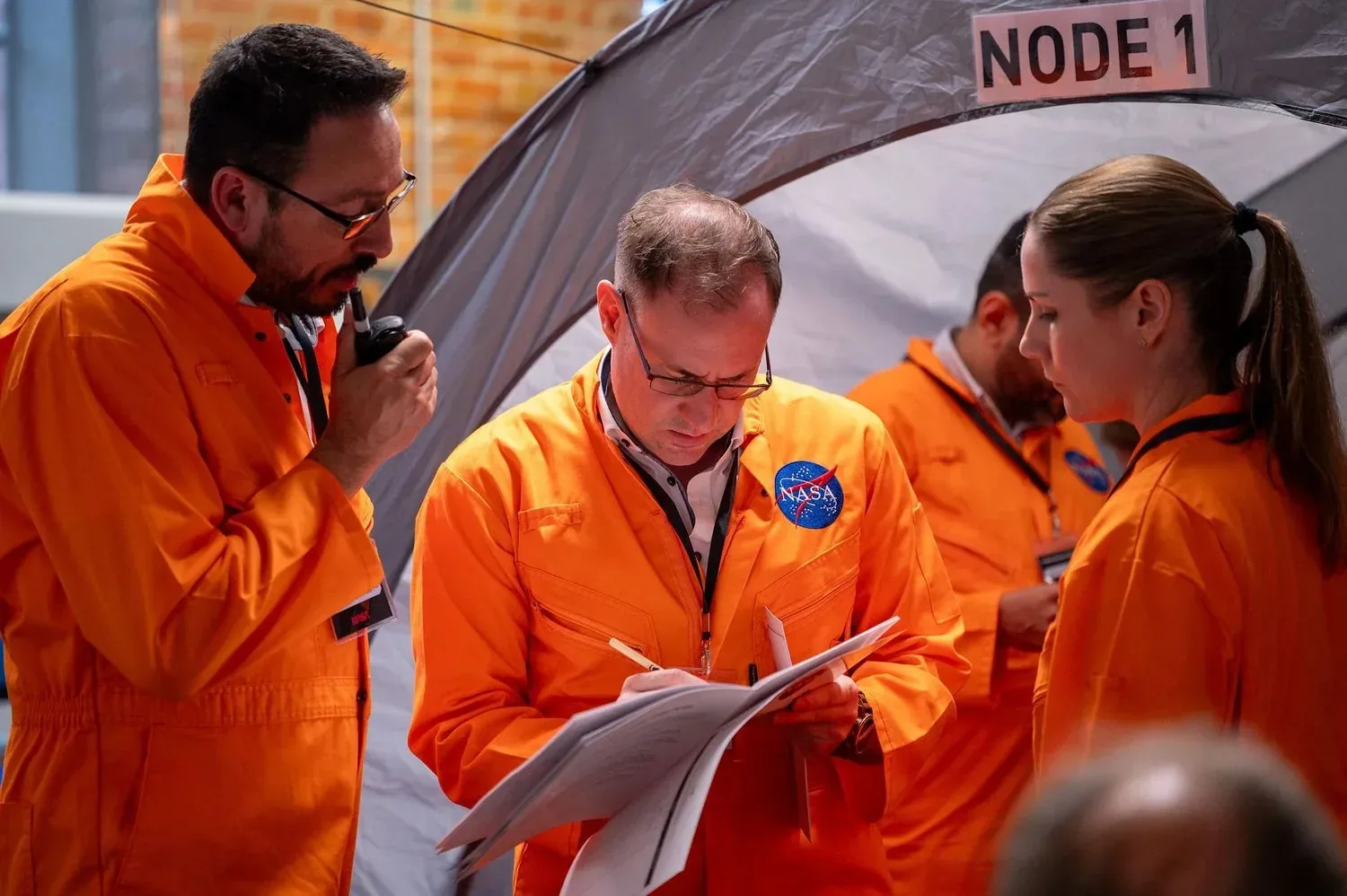
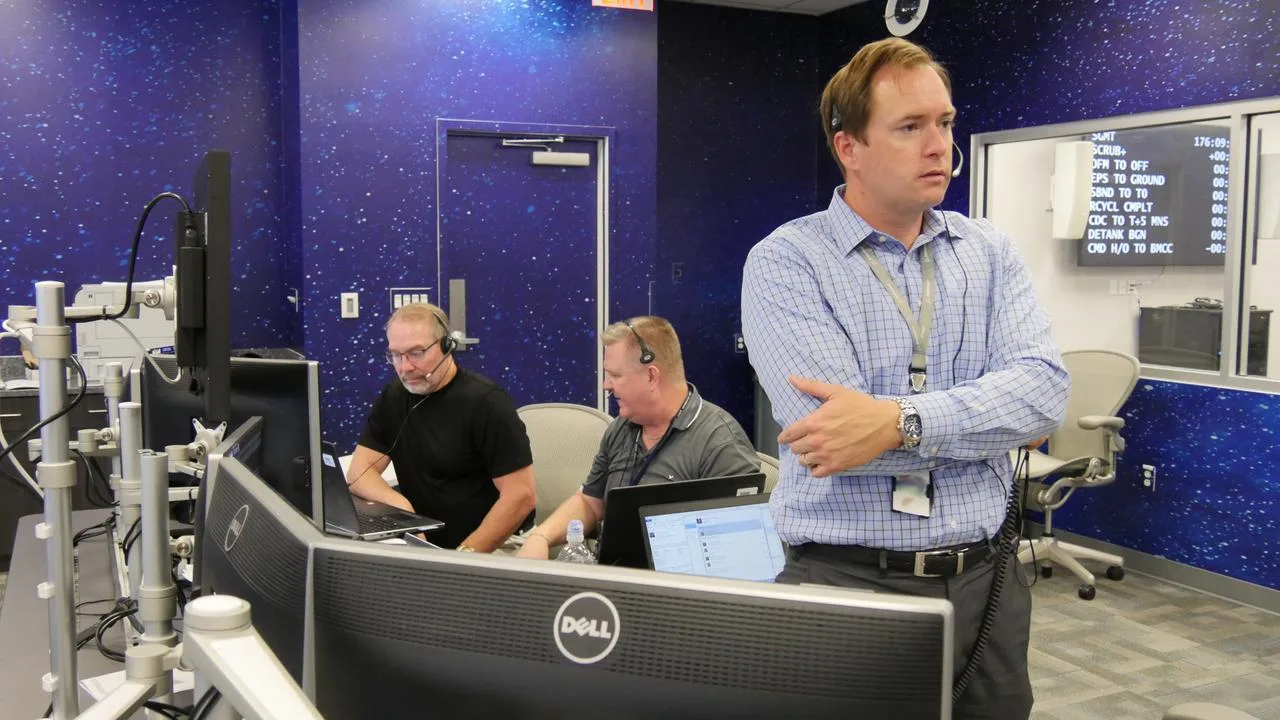
A simulation can suit a team that needs to inspect information flow, decision authority or changing priorities. It offers a shared challenge without requiring a particular level of physical confidence. The quality depends on the mechanics and the debrief, not the scale of the scenery or technology.
Ask how the scenario distributes information and makes individual roles matter. Participants should need to coordinate rather than wait for a confident colleague to solve everything. Check that instructions and interfaces are accessible, and that the exercise will not become a test of specialist background knowledge.
Make time afterwards to reconstruct a consequential moment. What did each role know, what was assumed and why did the plan continue or change? The alternative to a conventional retreat becomes useful when it generates evidence for a workplace experiment, rather than merely another memorable afternoon away.
Use walking conversations selectively, not universally
A facilitated walking discussion can work for a question that benefits from reflection rather than slides. Give participants a clear prompt and a way to bring their conclusions back. Keep the route and group arrangement compatible with hearing, mobility, privacy and the need to record decisions.
Do not assume that walking makes everyone more candid or creative. Some colleagues will find the format awkward, tiring or inaccessible. Offer an equivalent seated format and design the contribution process so that neither group becomes peripheral. The conversation matters more than loyalty to the method.
Avoid discussing sensitive organisational or personal matters where members of the public can overhear. When a decision needs careful comparison of evidence, return to a suitable working space. A landscape can support a conversation, but it does not provide confidentiality, shared records or a sound decision process by itself.
Reserve expeditions for a well-founded purpose
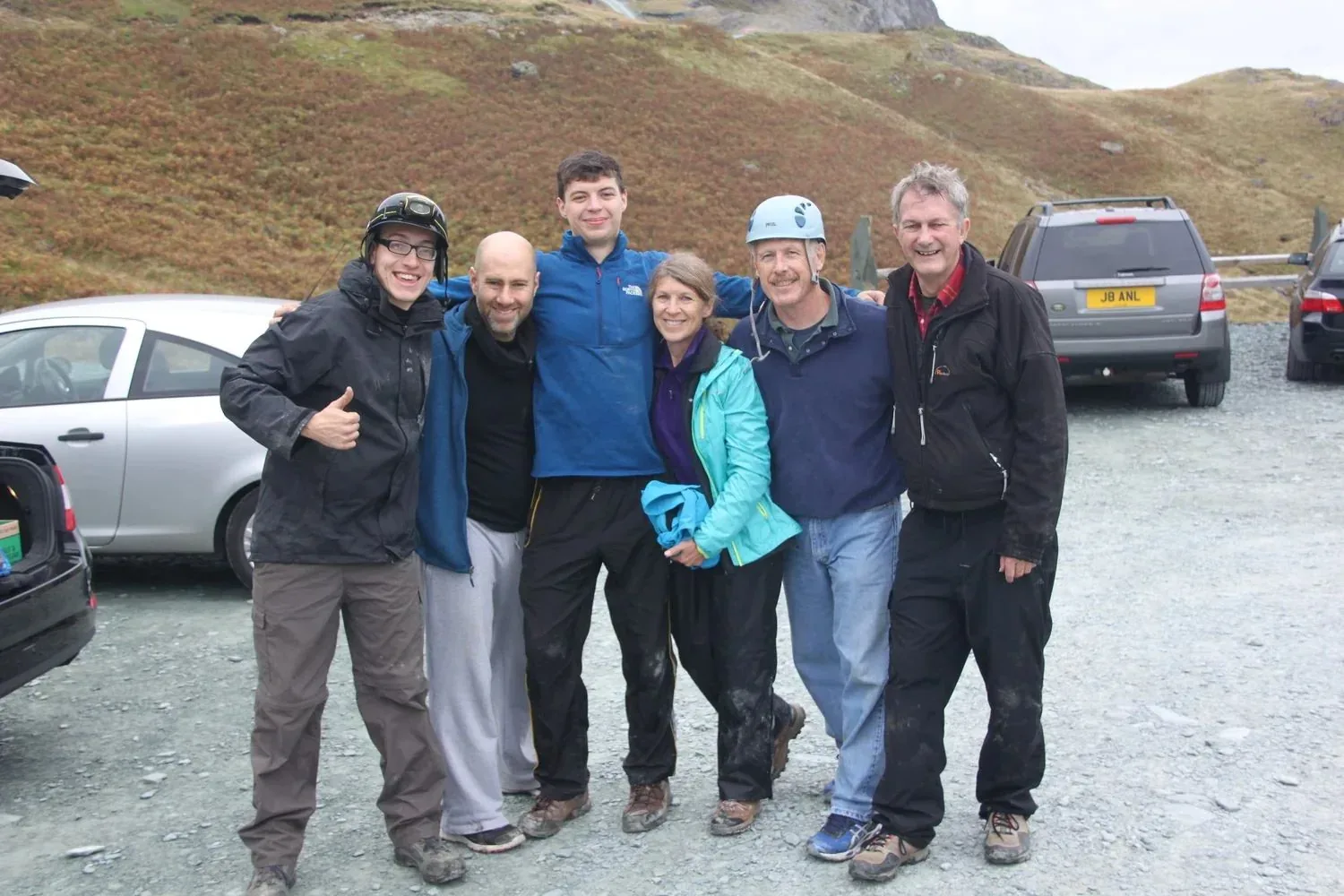
A longer expedition can create sustained interdependence and reveal habits that remain hidden in ordinary meetings. It also brings preparation, access and safety responsibilities that should not be minimised. Choose it only when those conditions serve the developmental purpose and the whole group can participate meaningfully.
Ask who holds technical authority, how suitability is assessed and what happens when conditions change. Professional safety decisions must remain independent of the sponsor's enthusiasm or the team's desire to finish. A fallback is part of competent planning, not an admission that the programme lacks ambition.
- Examine preparation requirements alongside the activity itself.
- Ask how reflection is balanced with rest and practical demands.
- Clarify how participation adjustments preserve influence and responsibility.
Be cautious about language that equates discomfort with commitment. A team can learn a great deal from noticing limits, sharing concerns early and changing a plan appropriately.
Judge the alternative by what returns to work
Compare proposals against the same learning objective and practical constraints. Ask each provider what participants will do, what evidence will be observed and how the team will translate that evidence into a change. A clear answer should not depend on an inspirational description of the venue.
Before leaving, agree where the new working practice will be tested and who can make it happen. Review the result through an existing meeting. The best alternative is not necessarily the most unusual experience. It is the format that helps this team address a real problem without mistaking novelty for progress.
Bring this to your team
We run NASA-style simulations, astronaut keynotes and leadership expeditions for organisations that need their leaders to make good calls under pressure.
Book a Call