Offsites & Simulations · 3 September 2026 · 5 min read
Outdoor Team Development Programmes: What to Look For
Compare outdoor team development programmes by learning design, accessibility, safety and follow-through, rather than choosing the most dramatic activity.
Written by Sarah Murray
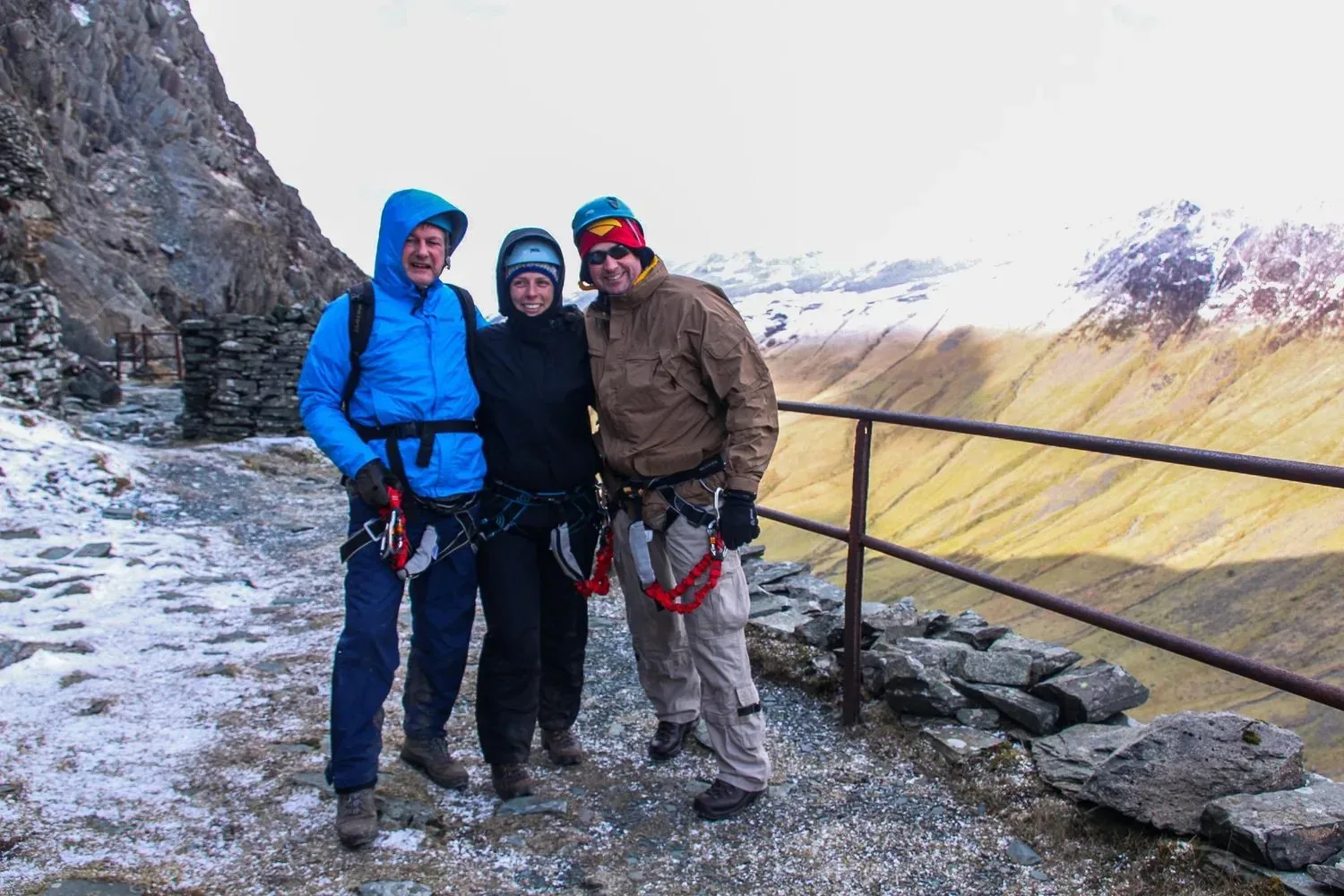
Photograph: Immersive Leaders programme photography — all rights reserved by Immersive Leaders by ISSET
Your team needs to work differently, but the proposed outdoor programme seems to be selling scenery rather than learning. A striking location may help people pay attention; it cannot decide what they should learn. Choose the behaviour and the conditions for participation before choosing the landscape.
Ask what the outdoor setting makes possible
An outdoor task can remove familiar office cues and make coordination more visible. People may have to share resources, interpret changing conditions or support colleagues whose experience differs from their own. Those features can serve a learning objective. Simply being outside does not guarantee that they will.
Ask the provider to explain the connection between the task and the intended behaviour. If the objective is listening across functions, where does the activity require people to seek knowledge they do not hold? If the objective is shared planning, when can the team revise its plan? A clear answer describes participant choices, not an inspiring view.
Be wary of programmes that treat physical difficulty as a reliable measure of leadership. Fitness, confidence outdoors and familiarity with equipment can dominate performance. Those differences need thoughtful design if the learning is meant to concern how the team works together.
Make accessibility a design conversation
Invite access requirements early and through a private route. Do not assume that a familiar colleague's needs are already understood. Terrain, transport, toilets, medication storage, sensory demands and fatigue can all affect participation. Ask the provider to explain the practical experience from arrival to departure, including periods between formal activities.
Meaningful alternatives preserve responsibility and influence. An alternative that leaves someone watching from a shelter while the rest of the team bonds elsewhere is not an equivalent learning experience. Design interdependent roles or choose a different activity if inclusion would otherwise be an afterthought.
- Ask which parts of the programme involve physical exertion or uneven ground.
- Check how adjustments change the task rather than merely where someone sits.
- Confirm how participants can pause without having to justify themselves publicly.
Do not ask the whole group to negotiate an individual's needs on the day. That hands a private matter to a room full of colleagues and makes participation feel like a favour.
Separate safety authority from learning pressure
Request clear information about the provider's risk management, relevant competence, insurance and emergency arrangements. The evidence required will depend on the activity and location. Procurement colleagues may need specialist advice; a polished brochure is not a substitute for competent scrutiny.
Establish who can stop or change an activity. Safety decisions must sit with appropriately competent people, not with a sponsor keen to complete the schedule. Participants should understand that reporting discomfort or a hazard is expected, not a failure of commitment. Challenge is useful only within a credible duty of care.
Ask how weather decisions are made and communicated. A fallback plan should protect both welfare and learning, rather than simply filling the remaining time indoors. Where a change is necessary, explain it plainly. There is no leadership lesson in pretending that an avoidable operational problem was an intentional test.
Examine the facilitator's work between activities
A programme's quality often becomes visible after the task stops. Does the facilitator reconstruct decisions, invite different perspectives and connect observations to the agreed objective? Or does each activity end with a cheerful question about teamwork before everyone moves on?
Ask for an example of a debrief structure without requesting confidential participant material. Look for a distinction between what happened, how people interpreted it and what might change at work. The facilitator should be able to explore poor coordination without blaming the person who happened to be most visible.
Observation needs attention too. If the same person is managing technical safety, equipment and the learning discussion, ask how those responsibilities are resourced. It may be perfectly workable in a particular design, but it should be deliberate. Important interactions are easily missed when the facilitator is occupied with entirely legitimate practical demands.
Keep the programme connected to real work
Before the day, gather examples of the working patterns the team wants to examine. Share themes with the provider while protecting confidentiality. This gives the debrief a relevant direction without requiring the facilitator to force a corporate analogy onto every rope, path or shelter.
After an activity, ask participants to name the workplace connection themselves. A useful answer identifies a process: important updates were assumed rather than confirmed, or the person with relevant knowledge was not invited into planning. Avoid vague conclusions about trusting more or trying harder.
- Choose an existing meeting where a new working agreement can be tested.
- Name an owner who can change the relevant process.
- Decide what evidence the team will review afterwards.
Keep the initial commitment manageable. An ambitious list can conceal the absence of a specific change anyone is authorised to make.
Compare proposals on design, not spectacle
Put competing proposals against the same brief. Ask each supplier how the programme serves the objective, includes the whole group and adapts if conditions change. Examine how much space is protected for reflection and how the learning record will be produced. These details are more revealing than the most dramatic photograph.
The right programme may be relatively undramatic. A modest task with genuine interdependence and careful facilitation can reveal more than a demanding activity completed in parallel. Choose the experience that gives this team useful evidence about its work, with everyone able to contribute and nobody required to prove their worth through discomfort.
Bring this to your team
We run NASA-style simulations, astronaut keynotes and leadership expeditions for organisations that need their leaders to make good calls under pressure.
Book a Call