Team Performance · 10 September 2026 · 5 min read
Psychological Safety in Teams: What Raises It and What Quietly Kills It
Build psychological safety in teams through better responses to questions, errors and disagreement, while keeping standards and accountability clear.
Written by Sarah Murray
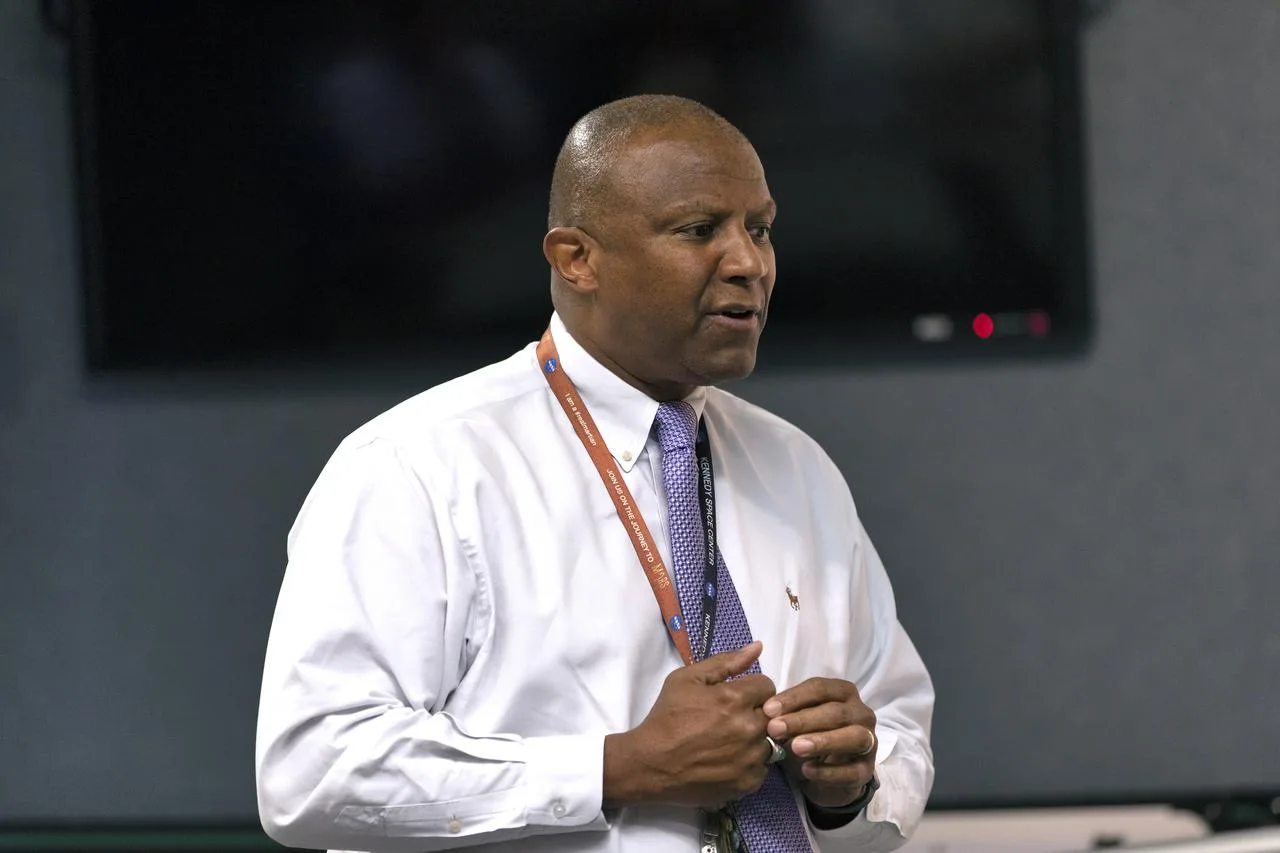
Photograph: Black History Month Event — NASA, public domain
A manager invites questions, waits briefly and concludes that everyone is comfortable with the plan. Later, a colleague explains privately that the timeline never looked achievable. The important question is not simply why they stayed quiet. It is what made speaking during the meeting feel less workable than speaking afterwards.
Psychological safety concerns whether people feel able to take interpersonal risks at work, such as admitting uncertainty, asking for help or questioning an approach. For a leadership team, the practical task is to make those contributions usable without removing standards, judgement or responsibility for the work.
Make the invitation specific
Asking whether anyone has concerns puts the burden on a colleague to interrupt apparent agreement. Try a narrower question instead. Ask which dependency looks weakest, what evidence might contradict the proposal or where the workload estimate needs checking. A defined task gives challenge a legitimate place in the discussion.
Explain what you need from people's expertise before announcing your preference. If the most senior person opens with a confident recommendation, others must disagree with both the idea and the authority behind it. Gathering observations first leaves more room to develop the answer together.
Do not demand disclosure as proof of openness. People should not need to describe personal distress, a private history or a humiliating mistake to participate fully. Keep invitations connected to the work, provide appropriate private routes and explain any limits to confidentiality before sensitive information is shared.
Watch the response after someone speaks
The first response to inconvenient information matters. Thank the person for raising it, check that you have understood and establish what needs to happen next. This does not require agreeing with their conclusion. It requires separating your assessment of the information from your reaction to being challenged.
Avoid the small penalties that can follow a formal invitation to contribute: interruption, sarcasm, visible impatience or repeated references to an old mistake. These responses can make an open-door message unconvincing. Look at what happens in ordinary meetings, not only during sessions labelled as listening exercises.
When a concern is mistaken, explain why respectfully and show the evidence where appropriate. If leaders only welcome challenges that prove correct, people must be certain before speaking. That is an unhelpful threshold when the purpose of raising a concern is to investigate something not yet understood.
Keep accountability clear
Psychological safety is not permission to ignore agreed standards. State the expected quality of work, the limits of authority and the responsibility to raise foreseeable problems. A team can discuss an error without humiliation while still addressing negligence, repeated non-compliance or harm through a fair process.
Distinguish the conversation needed to understand an event from any formal process needed to address conduct. Be honest about those boundaries. Promising that nothing will happen after a disclosure is neither credible nor appropriate when the issue may involve safeguarding, discrimination, serious misconduct or legal obligations.
Managers should model accurate uncertainty rather than perform vulnerability. If you do not know the answer, say what you need to find out and when you will return. If your instruction was unclear, correct it plainly. Neither action requires turning the meeting into a discussion of your feelings.
Give disagreement a working structure
Agree how proposals will be tested. You might hear evidence, invite alternative interpretations and ask for unresolved risks before the decision owner concludes. Once a decision is made, clarify what is settled and what new information would justify reopening it. Challenge needs a route, not an endless veto.
Offer time to think before expecting a response. A short written prompt before a meeting can give colleagues another way to organise their contribution. In the meeting, invite views without making a public spectacle of someone who has not spoken. Participation should not depend entirely on speed or confidence in a group.
- Ask what the team may be overlooking before asking for agreement.
- Separate a person's observation from your judgement of their proposed solution.
- Explain what will happen to a concern and when you will respond.
- Return to the person who raised it, including when no change is made.
Look beyond the meeting room
A team may be comfortable questioning technical work but reluctant to challenge workload or a senior stakeholder. Do not assume one productive discussion proves the environment is safe in every respect. Ask about particular situations and provide routes that do not require raising a concern with the person involved.
Check how work is allocated after disagreement. If a colleague raises a risk and then quietly loses opportunities, the consequences matter more than the words used in the meeting. Apply fair allocation processes and examine patterns without assuming that every disappointing decision is retaliation.
Use feedback carefully. Anonymous questions can help surface themes, but they do not guarantee anonymity in a small group. Explain who will see responses and avoid pressing people to identify themselves. Where a concern needs specialist handling, use the appropriate organisational route rather than an improvised team discussion.
Make one response more reliable
Choose a recurring situation, such as reviewing a missed deadline. Agree that the manager will first ask what information was available, what made the work difficult and what support was missing. Then discuss responsibility and improvement. The sequence helps keep explanation from being mistaken for excuse-making.
At the next review, examine whether concerns were raised early enough to use, whether they received a clear response and whether agreed actions happened. Start there rather than trying to declare the team psychologically safe. A colleague deciding whether to speak needs a reliable experience, not a label.
Bring this to your team
We run NASA-style simulations, astronaut keynotes and leadership expeditions for organisations that need their leaders to make good calls under pressure.
Book a Call