Offsites & Simulations · 2 July 2026 · 5 min read
A Two-Day Leadership Offsite Plan You Can Actually Deliver
Build a two-day leadership offsite plan with focused decisions, practical team development and a realistic route from discussion to everyday delivery.
Written by Christopher Barber

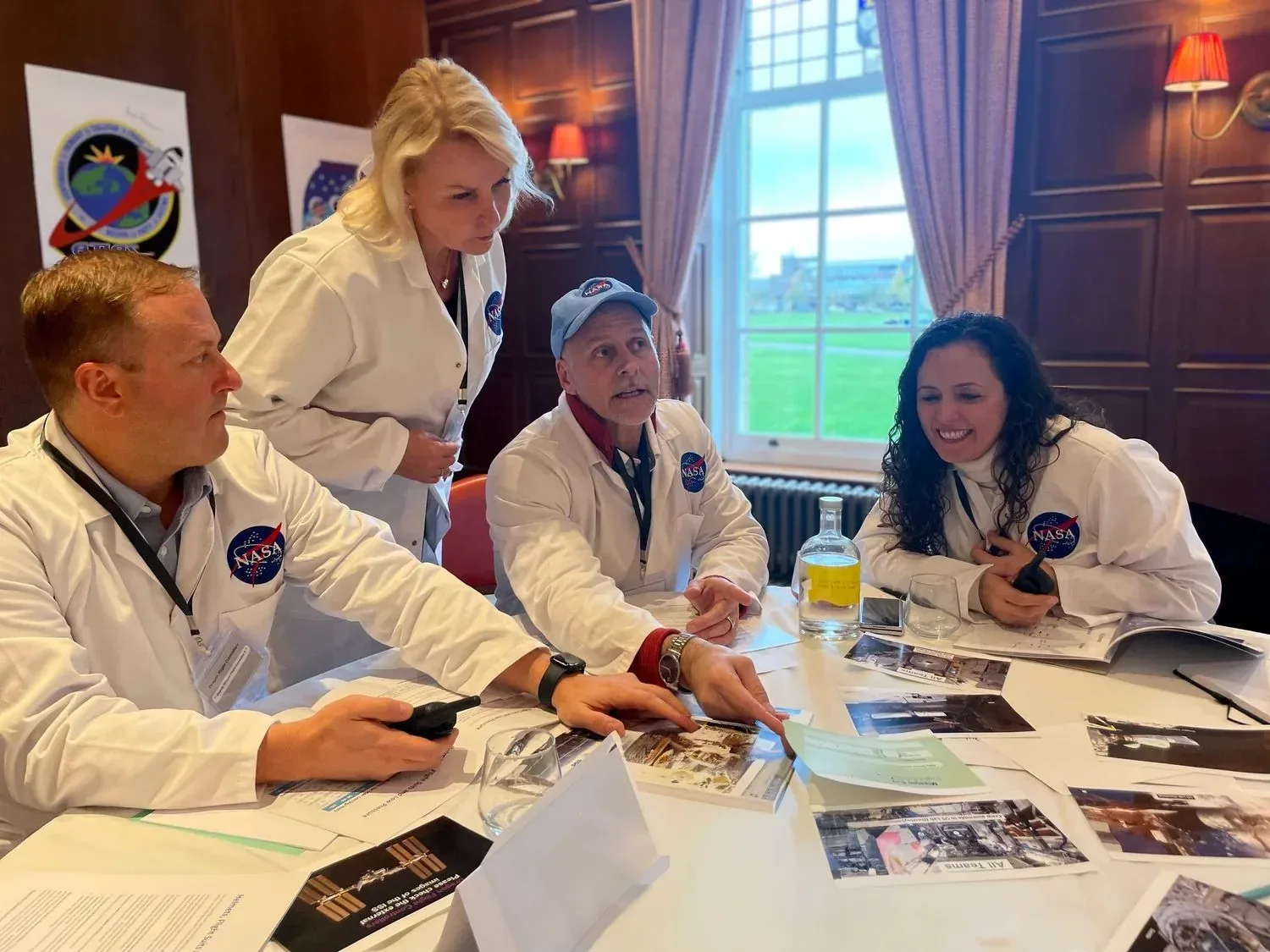
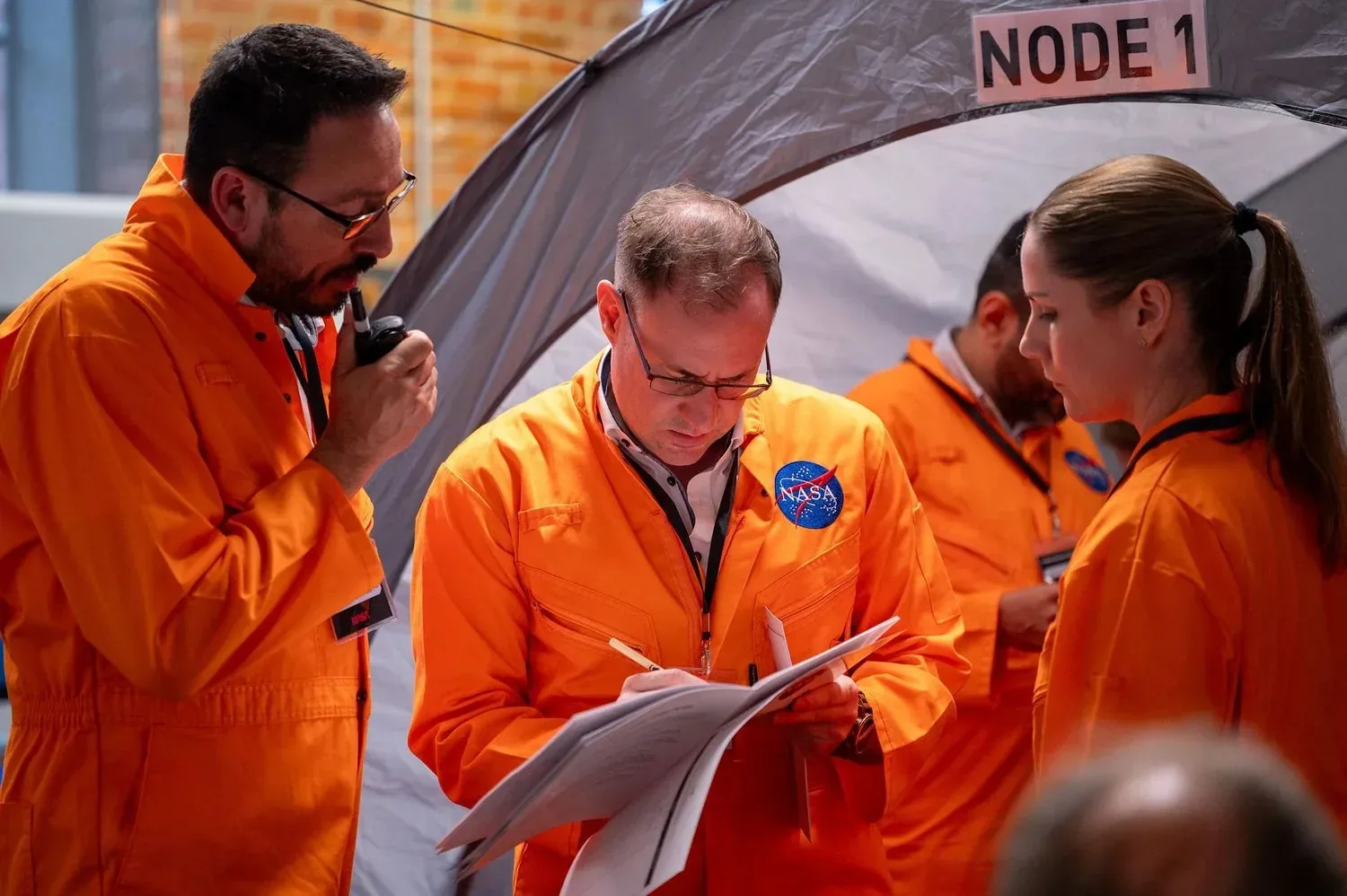
Photograph: Immersive Leaders programme photography — all rights reserved by Immersive Leaders by ISSET
You have secured time away together, and every stakeholder wants a piece of the agenda. Unless you make choices now, the offsite will become an extended meeting with a nicer view. A workable plan needs a clear thread between the work on the opening morning and what the team will do after returning.
Set a purpose that can hold both days together
Choose a central question that needs sustained collective attention. This could concern strategic priorities, a difficult operating model or how the leadership team resolves competing demands. Supporting sessions should contribute to that question. If an item cannot explain its relevance, it probably belongs elsewhere.
Agree the intended outputs with the sponsor and decision owners. Distinguish decisions the team can make from recommendations requiring consultation. A residential setting does not expand formal authority. Check who needs to contribute beforehand and whose perspective must be represented even if they are not attending.
Prepare an evidence pack that is short enough to read and clear about unresolved assumptions. Ask attendees to submit questions in advance. This allows facilitators to see disagreement before the opening session rather than discovering that participants have arrived to solve different problems under the same broad heading.
Give the opening morning to the real issue
Begin with the central question, the available evidence and the decision process. Let participants write their initial assessment before senior voices shape the discussion. Compare interpretations and identify where differences arise from facts, priorities or risk appetite. Do not let a long organisational update consume the most attentive part of the programme.
Move towards a shared problem statement before lunch. This is not the same as requiring agreement on the answer. People can disagree productively once they understand which choice they are making and which constraints are real. Record contested assumptions rather than hiding them in a smooth summary.
- Confirm the question and the authority available in the room.
- Identify evidence gaps that would materially change the discussion.
- Separate current constraints from habits that could be changed.
If the group cannot define the problem, resist filling the gap with more presentations. The disagreement itself may be the work the offsite needs to address.
Use the opening afternoon to examine how the team works
Place practical team development where it helps the central question. A shared task or simulation can give participants evidence about information flow, challenge or ownership. Explain why it belongs in the programme, and protect time afterwards to examine what happened. Otherwise it risks becoming an unrelated afternoon diversion.
Connect the observations to the morning's discussion carefully. Ask whether the same coordination patterns appear in strategic work, rather than declaring that the exercise proves a predetermined diagnosis. Let participants identify both useful habits and friction. The team needs something to preserve as well as something to change.
End formal work with a concise synthesis of the choices and questions that remain. Avoid pretending everything must be resolved before dinner. An overnight pause is useful only if people know what they are pausing to consider and are not expected to keep negotiating throughout the evening.
Keep the evening genuinely optional
Shared meals can support relationships, but they should not become an unannounced extension of decision-making. State when formal work ends. Ensure that food, accommodation and social arrangements account for access needs and personal circumstances without requiring public explanations. Participation in the social programme should not determine access to influential conversations.
Do not assign heavy overnight work after an already demanding day. A brief reflection prompt may be useful; a fresh presentation request is usually evidence that the agenda was overloaded. Protect rest and give people room to process the discussion privately.
The facilitator and sponsor may need a short check-in to adapt the next morning. Keep that conversation focused on process and emerging needs. Do not use it to settle substantive choices away from the rest of the team, then present the result as though it emerged from collective work.
Make the next morning a decision workshop
Return to the central question with a brief recap of agreements, disagreements and remaining evidence gaps. Ask what changed through reflection. Then evaluate options against explicit criteria. Where a decision can be made, name the accountable owner and record the reasoning. Where it cannot, specify exactly what is missing.
Test the preferred direction against practical consequences. Who will have to stop something, change a process or absorb additional work? Invite objections before moving into implementation planning. Agreement expressed in a comfortable room can unravel quickly when resource implications become visible back at work.
- Record the decision and its rationale in plain language.
- Name dependencies and the people who must be consulted.
- Define the circumstances that would trigger a review.
Keep unresolved concerns beside the record rather than treating them as a failure to align. They may become important early warnings during implementation.
Leave with a delivery rhythm, not another workshop
Use the closing afternoon to connect decisions to existing governance and meetings. Identify the earliest real situation where a new working agreement will be used. Assign ownership to people with the necessary authority, and check that the commitment fits alongside existing work rather than silently adding to it.
Finish early enough for a proper summary and sensible departures. Circulate a concise decision record instead of a large archive of workshop material. The test of the plan comes in ordinary meetings afterwards: can the team explain what it chose, act on it and recognise when the assumptions need another look?
Bring this to your team
We run NASA-style simulations, astronaut keynotes and leadership expeditions for organisations that need their leaders to make good calls under pressure.
Book a Call